Okay, so check this out—DeFi used to feel a bit like driving at night with your high beams off. You click “confirm,” and hope the bridge you’re crossing is actually there. Wow. Now tools that simulate transactions ahead of time are flipping that script. They don’t remove risk, but they make smart contract interactions legible in a way that’s rare for on-chain UX. This piece walks through what simulation buys you, where it still falls short, and how a modern wallet like rabby integrates simulation to make DeFi workflows safer and more predictable.
First impression: simulation is underrated. Really. At the surface it’s just a dry technical step — run code, estimate gas, check state changes — but the actual value is behavioral. Users stop guessing and start making decisions based on observable outcomes. That matters more than people think. On one hand it’s a UX feature; on the other, it’s risk reduction. Hmm… kind of both, and that’s the interesting overlap.
Let’s pause for a second. Initially I thought transaction simulation would only help advanced traders. But then I realized it helps everyone — from NFT flippers avoiding failed mints to liquidity providers making sure they won’t get front-run into loss. Actually, wait—let me rephrase that: simulation primarily helps those who need to validate state changes before committing funds. That’s a broad set.
What transaction simulation actually does
At a technical level, simulation executes a pending transaction against a local or remote node snapshot of the chain state without broadcasting it. The node returns results: whether the tx would revert, gas estimates, return values, internal calls, and sometimes event logs. That’s the short version. The longer, useful version is this: you get a dry-run that surfaces failure modes before you sign.
Simulations can show:
— Reverts and the reasons for them (if the contract reports a message)
— Gas consumption and where it spikes
— Changes to token balances and approvals
— Internal calls into other contracts (and unexpected transfers)
Those outputs let you see the hypothetical, visible consequences of a transaction. But caution: simulations are only as good as the node snapshot, the RPC provider, and the assumptions about mempool state. On busy chains or with MEV activity, a simulated “success” can still fail in practice.
How Rabby uses simulation in practice
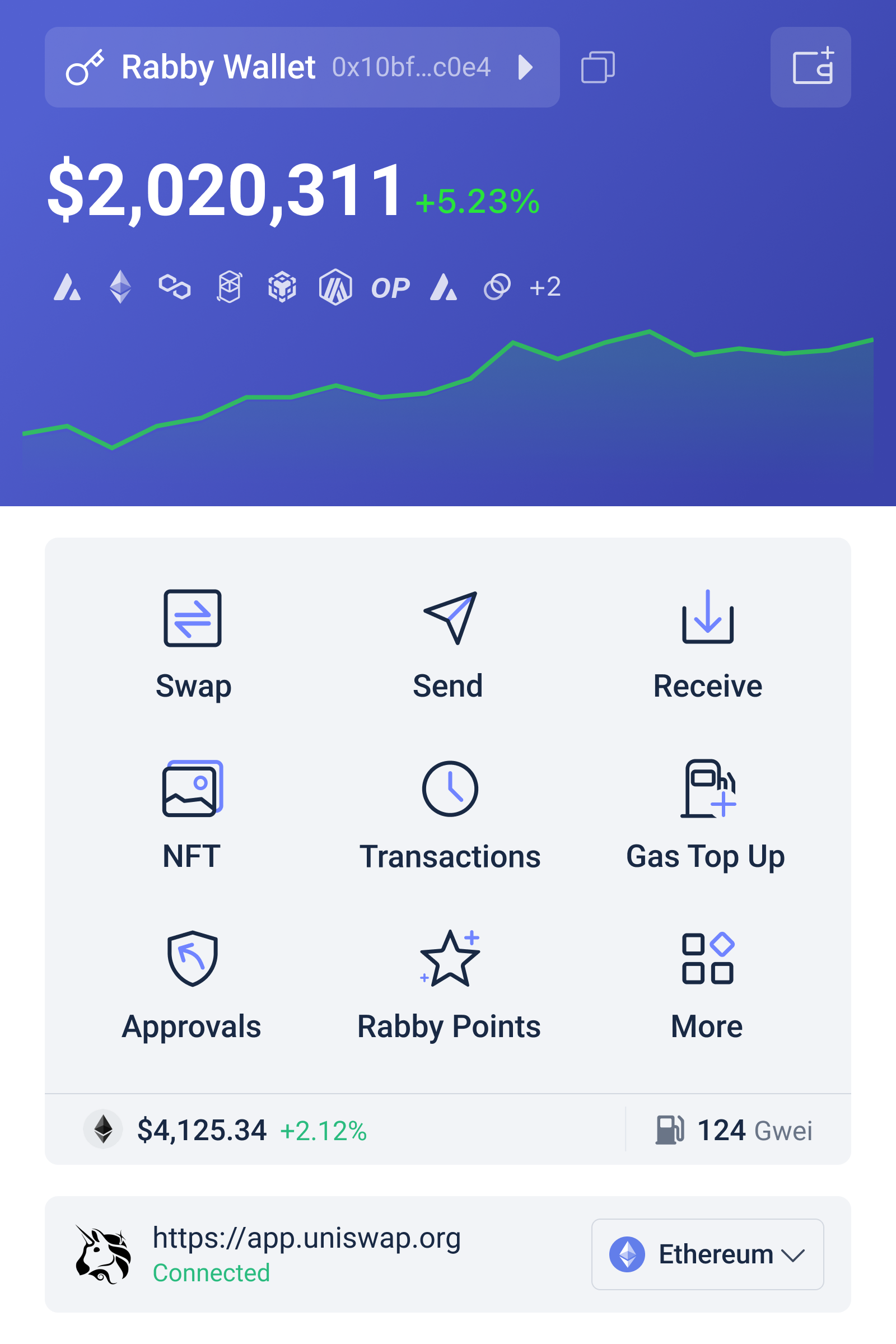
Rabby embeds simulation early in the transaction flow so you can catch problems before confirming. Instead of guessing gas and risks, you can inspect:
— whether a swap will revert due to slippage limits,
— if a contract will attempt to transfer tokens you didn’t expect,
— whether approvals are safe or overbroad.
What I like about this approach: simulations are surfaced in actionable bits. You don’t just get raw logs; you get specific indicators that non-technical users can act on, like “this tx will call a function that transfers tokens to X.” That clarity matters. I’m biased toward tools that reduce cognitive load, and rabby tries to do that without hiding the details.
One practical tangent (oh, and by the way…) — if the wallet shows that a transaction will create a lot of internal calls, that’s an early warning sign. It means: more attack surface, more gas volatility, and a higher chance of unexpected behavior if a dependent contract changes state between simulation and inclusion in a block.
Security trade-offs and where simulation helps most
Simulation doesn’t replace careful audits or formal verification. It’s not a silver bullet. On the other hand, it’s one of the best operational defenses against user-facing mistakes. Here’s the breakdown:
High impact wins:
— Avoiding failed transactions (save gas)
— Spotting incorrect approvals (reduce token loss risk)
— Detecting obvious exploit vectors like drain calls or sudden transfers
Limitations to keep in mind:
— Simulation reflects a snapshot; miners/validators may reorder or include different transactions
— MEV and front-running can change outcomes between simulation and mining
— RPC provider discrepancies can produce false negatives/positives
So use simulation as a second pair of eyes, not an oracle. If something still feels off, pause. Step away. Wait for confirmations. These are simple behaviors but very very important.
Practical workflow: using simulation to interact with smart contracts safely
Here’s a straight-to-the-point workflow that works across tools like Rabby and similar wallets:
1) Preview: Before signing, inspect the simulated internal calls and balance changes. Look for unexpected recipients.
2) Verify allowances: If a contract needs approval, prefer setting minimal allowance or using a permit pattern when available.
3) Re-simulate after edits: If you change slippage, gas, or approvals, simulate again. Small changes can produce big differences.
4) Use reputable RPCs: A reliable node gives more accurate simulation results. If possible, cross-check with a second provider.
5) Watch gas spikes: Large internal call counts often correlate with high gas. Factor that into your profit math.
Do these steps every time you interact with complex contracts. It feels like overkill at first, but each saved failed tx or prevented exploit compounds.
FAQ
Will simulation stop me from being front-run?
No. Simulation only predicts a transaction’s outcome against current state. It doesn’t control mempool ordering or miner behavior. Use fair sequence or private transaction relays for sensitive ops if you need protection from MEV.
Can simulation be fooled by oracles or time-dependent logic?
Yes. If a contract relies on an off-chain price feed or time-sensitive state, a simulation may not capture future changes. Treat those cases cautiously and prefer time buffers or conservative slippage settings.
Is simulation standard across wallets?
Nope. Implementation quality varies. Some wallets show only gas estimates, others run full stateful simulations and surface internal calls. Choosing a wallet that emphasizes rich simulation (like rabby) gives you better visibility into complex interactions.
To wrap this up—though I don’t love ending on a neat bow—simulation is a practical, immediate upgrade to how we interact with smart contracts. It reduces uncertainty, surfaces hidden behavior, and nudges users toward safer defaults. That said, it’s not a replacement for good contract hygiene or broader ecosystem protections. Something felt off about treating it like a cure-all, so: it’s a tool. Use it thoughtfully.